


How to Test and Fix Fragrance Solubility in Your Products
A practical guide to testing and fixing cloudiness and separation in room sprays, diffusers, and body products.
Have you ever mixed a room spray or perfume, poured it into a bottle, and watched it turn cloudy? Or maybe you saw the fragrance oil in a body mist float to the top?
Cloudy liquids and separating oils are common challenges in product making. Whether you craft small batches in your kitchen or produce products at scale, these issues happen because of solubility.
In this guide, you will learn:
- What solubility means
- Whether cloudy or separated products are safe to use and sell
- How to run basic stability tests at home
- Ideas to address solubility issues
What is solubility?
Solubility is when one liquid, called a solute (like fragrance oil), can fully mix into another liquid, called a solvent (like a room spray, perfume, or reed diffuser base). When a solute and solvent mix together, they form a solution.
A fully soluble solution looks clear, and you can’t tell it was made by mixing two or more ingredients.
When a mix is not soluble, it usually shows up in two ways: cloudiness or separation.
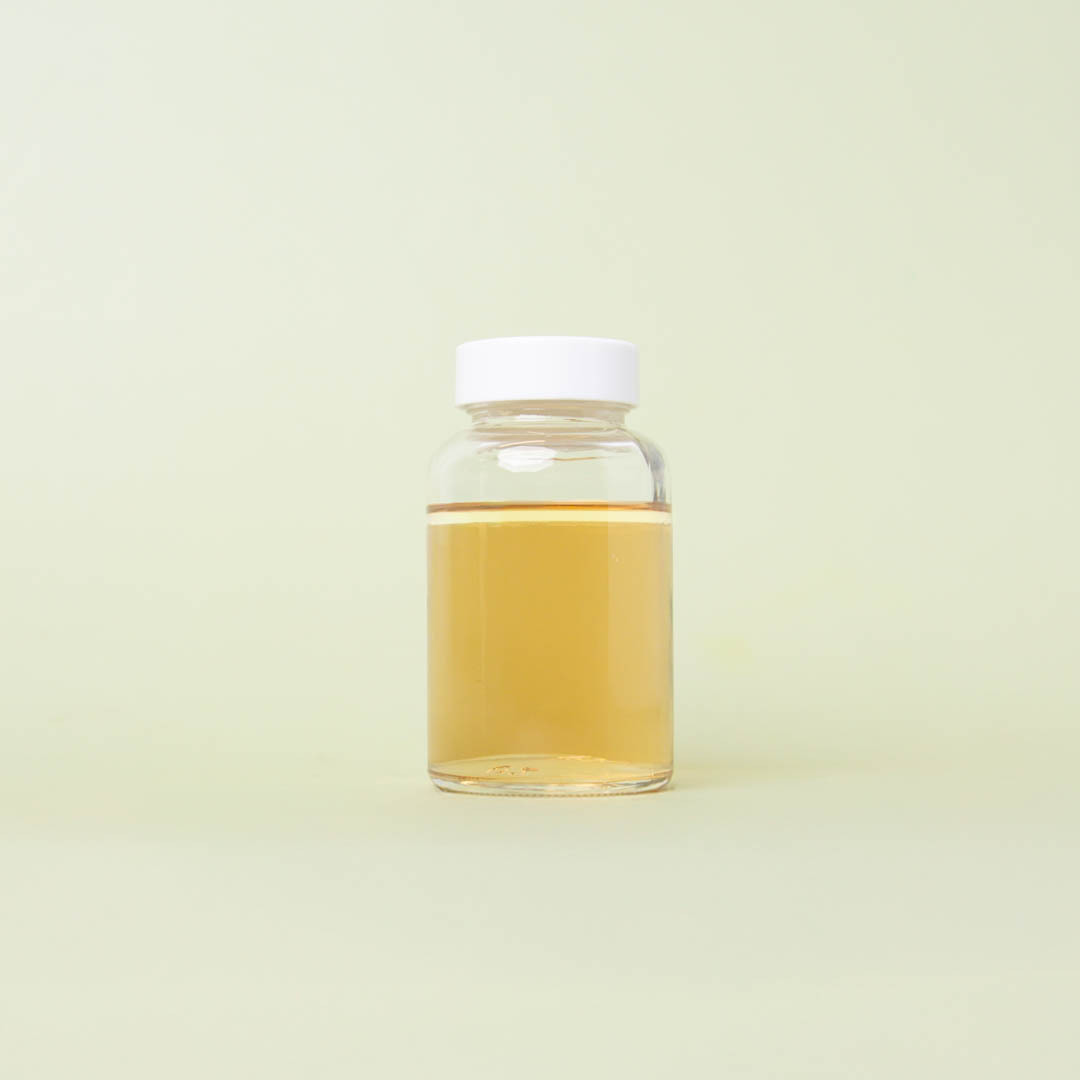
Cloudiness happens when tiny drops of oil float in the solution instead of fully combining.
This causes the solution to look hazy. Cloudiness is mostly an appearance issue.
A cloudy room or body spray should still smell great and work as expected.
And assuming you used a safe amount of fragrance oil—which we’ll get into below—it’s safe to use and sell.
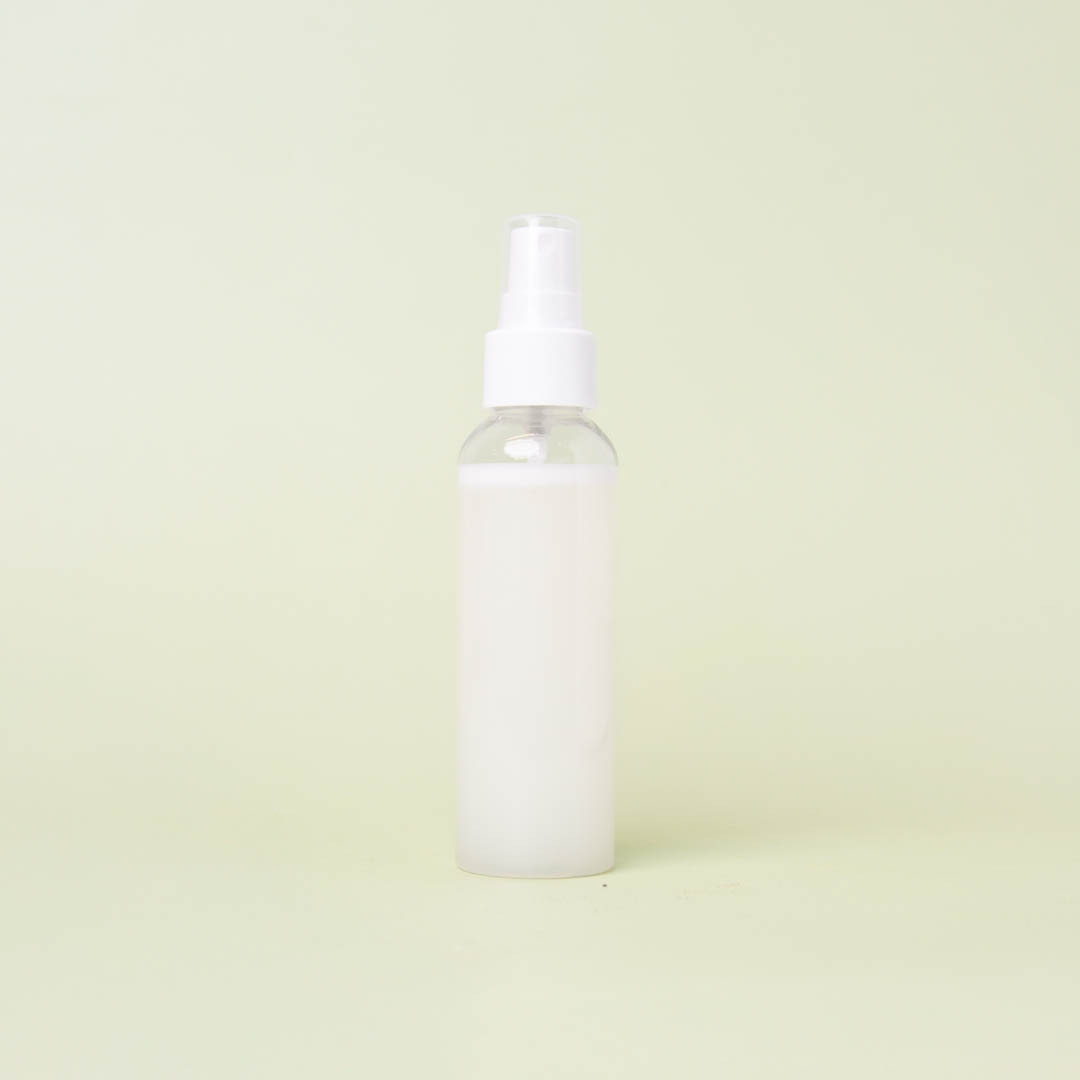
Separation happens when the fragrance oil does not mix into the base properly.
The oil forms its own layer and either floats on top or sinks to the bottom of the solution.
Unlike cloudiness, separation is a safety and performance issue.
If a room spray or body mist separates, the tube attached to the sprayer can pull up pure, unmixed fragrance oil. Spraying undiluted fragrance oil can cause skin irritation or clog the sprayer.
How Bases and Their Capacities Affect Solubility
Different bases interact with fragrance oils in different ways. Knowing how much fragrance your base can hold is important for safety and solubility.
Always check these two fragrance load limits before making a product:
- the allowed limit for the product type found on the fragrance's IFRA sheet
- the base’s maximum fragrance load
Then choose the lower number of the two.
Water-Based Bases
Water and oil do not like to mix!
Water bases use special ingredients called solubilizers to bind the fragrance oils with the base.
Even with added solubilizers, water bases generally hold the lowest amount of fragrance oil compared to other bases.

Alcohol-Based Bases
Alcohol mixes with oil much better than water. As a result, alcohol bases can usually hold more fragrance oil than water bases.
You can still get cloudiness in alcohol bases—especially with heavy, resinous oils—but it happens much less often.

Oil-Based Bases
Oil bases easily mix with fragrance oils because their ingredients are already so similar.
Separation almost never happens with this combination when using approved fragrance loads. However, extreme cold can cause slight cloudiness with higher fragrance loads.

How to Test Solubility at Home or in Your Studio
Manufacturers test their bases to determine the maximum soluble fragrance loads.
Using personal care and cosmetic good manufacturing practices (GMP), they test products at four temperature ranges:
- Extreme Cold: -13°F to 14°F (-25°C to -10°C)
- Cold: 35°F to 46°F (2°C to 8°C)
- Room Temp: 77°F to 86°F (25°C to 30°C)
- Hot: 104°F to 113°F (40°C to 45°C)
Products that maintain solubility across these tests are considered stable and safe.
Since most makers do not have the lab equipment to run GMP temperature tests, we also run tests in our lab and post recommended usage rates on every fragrance oil product page under the Recommended Application section.
So, what does this all mean for you as a maker? Staying at or below the fragrance load maximums typically means most fragrances will combine properly with the base.
But even without a lab, you can still do some basic tests of your formulas before selling or using them.
Cold temperatures are the hardest test for any solution to pass. Cold makes liquid particles crowd together, squeezing undissolved oil out of the mixture.
Luckily, you can run cold tests at home using your freezer!
Step 1: Mix and Watch at Room Temperature
- Mix a test batch using your base instructions and IFRA safety limits.
- Look closely for immediate cloudiness or floating oil in the solution.
- If there is none, let it sit on your counter at room temperature for 24 hours.
- Check the batch again after 24 hours. If there are no signs of cloudiness or separation, go to Step 2.
Step 2: Freeze
- Seal the test bottle tightly.
- Put it in the freezer for 5-7 days.
Step 3: Thaw and Observe
- Take the bottle out of the freezer and let it warm back up to room temperature on the counter.
- Check the test batch. If it’s still clear and shows no separated oil, your formula is stable and fully soluble!
How to Fix (or Camouflage) Solubility Issues
What if your sample comes out cloudy or separated during testing?
Don't worry—this doesn't mean it failed. As long as you stayed within the fragrance load limits set by the manufacturer and IFRA, you have two options next:
- Leave it as is. If the sample is cloudy and the hazy look doesn't bother you, you're good to go. Just package it and move on.
- Add a "shake before use" note. If the sample has separated, tell customers to shake the bottle before each use in the product directions. Shaking mixes the base and fragrance enough for a couple of sprays at a time.
If neither of those ideas works for you, here are three ways to address solubility issues.
1. Lower the Fragrance Load
The easiest way to fix cloudiness or separation is to use less fragrance oil. If a 5% load is cloudy, make another test batch at 4%.
We’ve seen even 0.1% reductions in fragrance load turn a product from cloudy to clear.
2. Add More Base
If you do not want to start over, add more base liquid directly to your test bottle to dilute the oil.
For example: Say you mixed 90 grams of base with 10 grams of fragrance oil (a 10% load) and the mix separated. If you pour in 50 more grams of base, the fragrance load drops to 6.7%.
If this mixture combines properly with no separation, you now know less fragrance oil creates a soluble product.
3. Use a Bottle That Isn't Clear
If you love the scent strength of your product but it’s cloudy, hide it with packaging!
Frosted bottles can make cloudiness less noticeable. Meanwhile, white, amber, and black bottles completely hide cloudiness—and give the final product a high-end look.

6.5 oz. Amber Round Glass Bottle.

Matte White 4 oz. HDPE Bottle.
(10)
Matte Black Round Reed Diffuser Bottle.
(13)
4 oz. Frosted Round Glass Perfume Bottle.
(2)
Prism Square Reed Diffuser Bottle.
(34)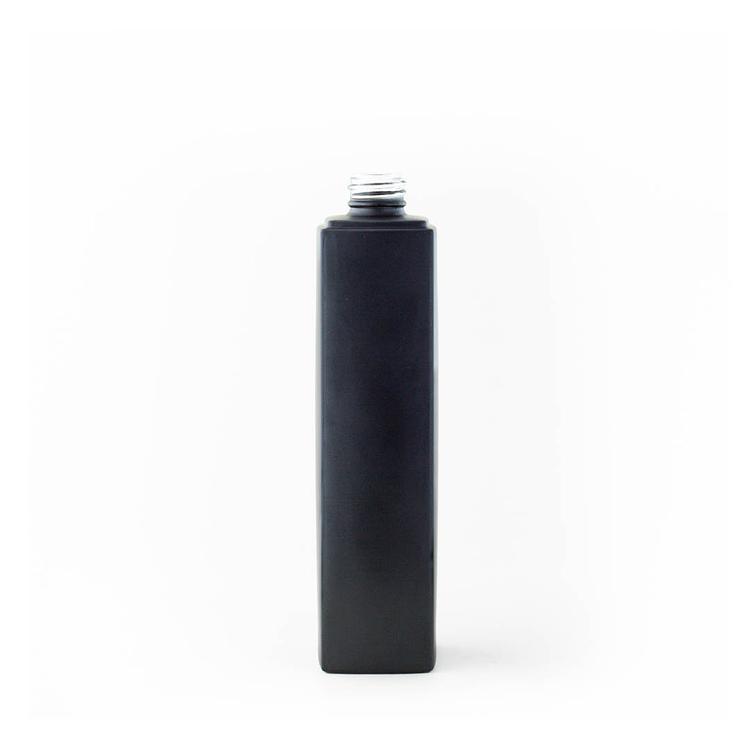
Matte Black 3.7 oz Square Glass Bottle.
This product is new.
4 oz. Frosted Round Glass Bottle.

Smoked Gatsby Reed Diffuser Bottle.
(4)
Amber Cube Reed Diffuser Bottle.
(7)
Matte Black 8 oz. HDPE Bottle.
(4)What if none of these troubleshooting steps work?
If the product you’re testing still doesn’t work to your satisfaction, try a different fragrance oil. Some fragrance oils work better in certain bases, so it’s totally fine to switch to another oil.
Final Thoughts
Testing your products before sharing or selling them is a smart move. It saves you from bad reviews later and gives you confidence that every bottle you sell is safe.
Keep a record of your formulas. Don’t be afraid to adjust your fragrance loads for better solubility. And lean into the science that makes creating these kinds of products so rewarding!
Have any questions about fixing a test batch or working with our bases? Drop your questions in the comments below or reach out to our Support team—we’re always happy to help!